
Pria Sehat Pria Sehat
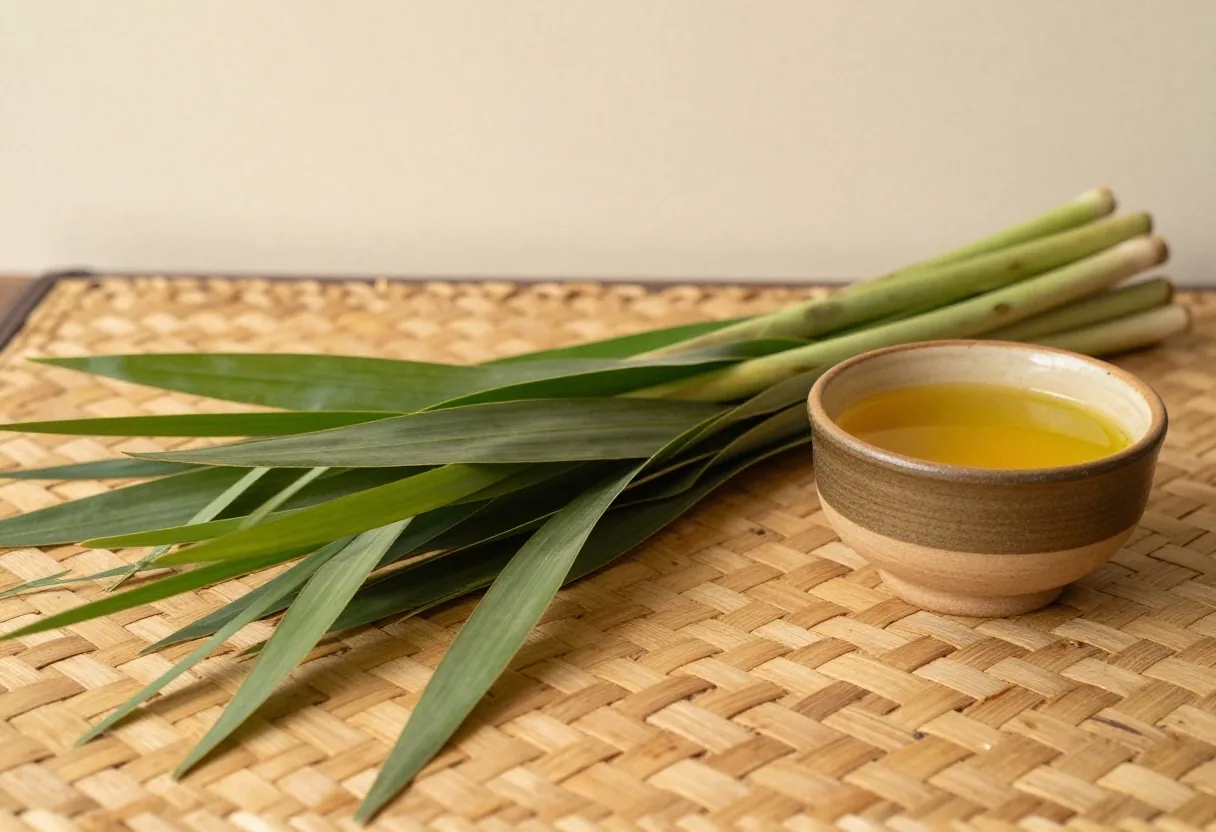
Fresh botanical ingredients on warm linen
Pria Sehat

A field guide for men's daily wellness in Indonesia

Healthy Lifestyle Tips for Men Using Supplements

Practical, everyday habits and nutrition tips that complement the use of men's vitamins and natural supplements — built around sleep, movement, and eating patterns in the context of an active life in Indonesia.

Nutrition Sleep Movement Hydration

Chapter One

Nutrition Foundations and Whole Foods

Before adding any supplement, understanding basic nutrition comes first. A diet that includes adequate protein, vegetables, whole grains, and healthy fats provides the baseline for daily wellness. Whole foods deliver vitamins and minerals in their natural forms, along with fibre and other compounds that isolated nutrients alone do not fully replicate.

For men in Indonesia, maintaining a consistently varied diet can be difficult with a busy work schedule, frequent meals eaten away from home, and limited access to fresh produce in some urban areas. This is where men's vitamin supplements can play a supporting role — they are intended to fill gaps in a diet that may already be reasonably good, not to replace food as the primary source of nutrients.

Practical whole-food choices that fit a Jakarta routine include tempeh and fish for protein, leafy greens like kangkung and bayam, brown rice instead of white where possible, and unsalted nuts or seeds as snacks. These foods provide a steady foundation that natural supplements for men are designed to complement, not substitute.
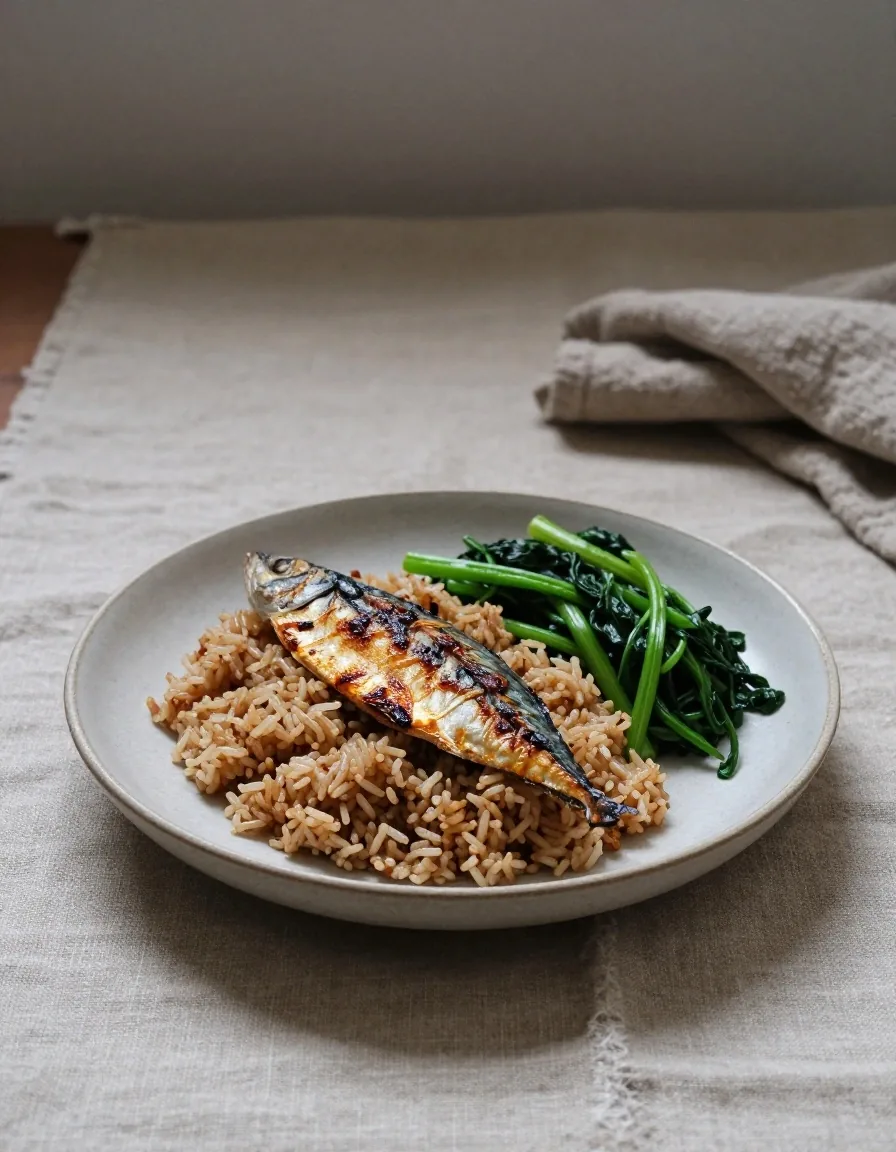
Balanced meal plate on neutral surface

Chapter Two

Aligning Meals with Daily Routines

When and what you eat affects your energy levels throughout the day. Structuring meals around a typical work schedule in Jakarta — where commuting time, office hours, and evening traffic all shape the day — helps maintain steadier energy and reduces the temptation to reach for quick fixes that cause sharp peaks and drops.

A practical approach starts with a breakfast that includes protein and complex carbohydrates rather than something sweet alone. Lunch can be the main meal of the day, ideally with vegetables and a source of protein. Dinner is kept moderate and timed a few hours before sleep. Meal prep on weekends — cooking rice in batches, pre-cutting vegetables, keeping cooked protein ready — makes weekday eating simpler and more consistent.

Choosing foods that provide sustained energy also supports the effects of any energy and endurance supplements you may take. Supplements work better when the underlying eating pattern is stable, not when meals are skipped or heavily processed on most days.

Chapter Three

The Role of Sleep in Daily Wellness

Sleep is the foundation of physical recovery and daily vitality. Consistent sleep schedules — going to bed and waking at roughly the same time each day — help the body maintain its natural rhythm. Sleep quality affects energy levels, mood, and general wellness in ways that no supplement can fully offset.

No supplement compensates for chronic sleep deprivation. Natural capsules for strength and vitality are designed to support an already reasonable lifestyle baseline, and sleep is the largest single component of that baseline. A man sleeping five hours a night on a regular basis cannot expect vitamins and minerals for men to close the gap that rest should fill.

Practical sleep hygiene in an urban environment includes keeping the bedroom cool and dark, limiting screen use in the hour before bed, and avoiding caffeine after mid-afternoon. Even small adjustments — dimming lights earlier, setting a phone alarm for winding down — can shift sleep quality meaningfully over a few weeks.

Chapter Four

Physical Activity and Movement

Regular movement is a core component of men's health support. This does not necessarily mean intense gym sessions every day. Walking, stretching, taking stairs, cycling for short commutes, and maintaining an active lifestyle throughout the day all contribute. The goal is consistency over intensity, especially for men with desk-based work.

Incorporating movement into a busy schedule works best when it is attached to existing routines — a short walk after lunch, stretching during a break, or a brief set of bodyweight exercises at home in the morning. Structured exercise two to three times a week, combined with daily low-intensity movement, gives a practical baseline.

Physical activity interacts with the vitamins and minerals for men that are commonly included in daily supplements. Movement places demands on the body that nutrients help support — but the relationship runs both ways. Nutrient intake from food and supplements helps the body recover and adapt to activity, while activity helps the body use those nutrients more effectively.

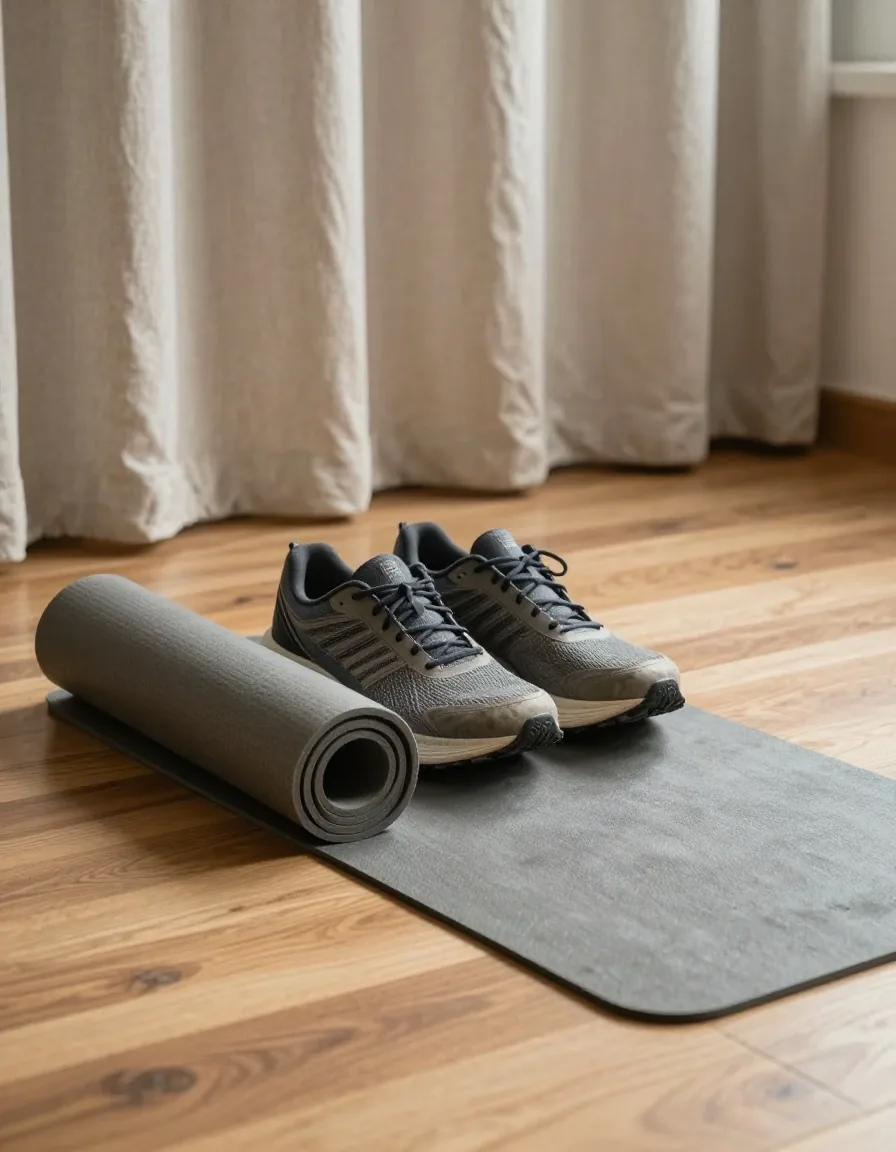
Running shoes and exercise mat on wooden floor

Chapter Five

Hydration in a Tropical Climate

Living in Indonesia means dealing with heat and humidity, making hydration a critical factor in daily wellness. Water loss through perspiration is higher than in temperate climates, and this affects physical stamina, concentration, and general comfort throughout the day.

General guidance suggests around two to three litres of water per day for an active adult in a tropical climate, adjusted for body size, activity level, and time spent outdoors. Electrolytes — sodium, potassium, magnesium — play a role in how well the body holds onto that water, especially after significant sweating.

Healthy lifestyle products like electrolyte mixes can be appropriate after prolonged outdoor activity or when meals are skipped, but for most ordinary days, regular water intake combined with normal meals is sufficient. The key habit is drinking water consistently across the day rather than only when already thirsty.

Glass of water with lime on stone surface

Consistent intake across the day, not only when thirsty.

Quiet rooftop terrace at golden hour

Chapter Six

Managing Stress and Work Demands

Urban work life in Jakarta comes with specific stressors — traffic, office deadlines, long commutes, and the difficulty of separating work from rest when phones keep notifications coming well past office hours. Over time, these pressures affect sleep quality, eating patterns, and the motivation to move.

Practical approaches include brief breaks during the workday — even five minutes of walking or looking away from a screen helps — simple breathing exercises, and a deliberate separation of work time from rest time in the evening. Turning off non-essential notifications after a set hour is one of the most effective habits.

Natural capsules for strength and vitality fit into this broader approach as one element among several. They are not a substitute for managing workload or protecting rest, but they can support a wellness routine that already includes reasonable stress habits.

Chapter Seven

Supplement Timing and Lifestyle Integration

If you use men's vitamin supplements, timing matters. Taking the right product at the right time of day, and pairing it correctly with food or rest, makes a practical difference in how well it fits into a routine. The guide below covers the three most common categories.

Fat-soluble vitamins

A, D, E, K

Taken with a meal that contains some fa. Breakfast or lunch works well. The body absorbs these vitamins more effectively alongside dietary fa, so taking them on an empty stomach reduces uptake and can cause mild stomach discomfort.

Energy and endurance supplements

B-complex, certain botanicals

Taken earlier in the day — morning or early afternoon. These products are intended to support daytime activity. Taking them in the evening can interfere with winding down and sleep quality, which in turn affects the recovery they are meant to support.

Minerals for evening use

Magnesium, zinc

Often taken with the evening meal or shortly before bed. These minerals are commonly associated with relaxation and recovery. Pairing them with food improves absorption and reduces the chance of stomach upset.

These are general patterns. Individual products may carry specific directions on their labels, and those directions take precedence over general guidance.

Chapter Eight

Building Sustainable Habits

Wellness is about consistency, not perfection. Extreme routines — very restrictive diets, intense daily exercise, elaborate supplement stacks — are difficult to maintain and often collapse within weeks. A simpler routine kept for months produces better results than a complex one abandoned after a fortnight.

Setting realistic goals for nutrition, movement, and supplement use keeps the framework workable. Eating well on most days rather than every day. Moving consistently rather than at maximum intensity. Taking supplements at a regular time rather than building an elaborate schedule. These small, repeatable choices form the basis of men's health support that fits into a real, everyday life in Indonesia.

The aim is not to follow a perfect plan. It is to build a pattern that holds across ordinary weeks — busy ones, tiring ones, ordinary ones — and that still includes room for the popular products for men that may support specific wellness goals alongside food, rest, and movement.

Where to go next

Continue building your wellness routine

These tips are one part of a broader field guide for men's daily wellness. If you are considering specific natural supplements for men, browse the popular products for men to see what fits your routine. For questions about which vitamins and minerals for men may suit your pattern of eating, sleep, and activity, the men's wellness guide offers further context.

Pria Sehat

Jl. Jend. Sudirman No. 52, Senayan, Kebayoran Baru, Jakarta Selatan, 12190

Phone +62 21 5297 5937

Email [email protected]

Monday to Friday, 09:00 – 18:00